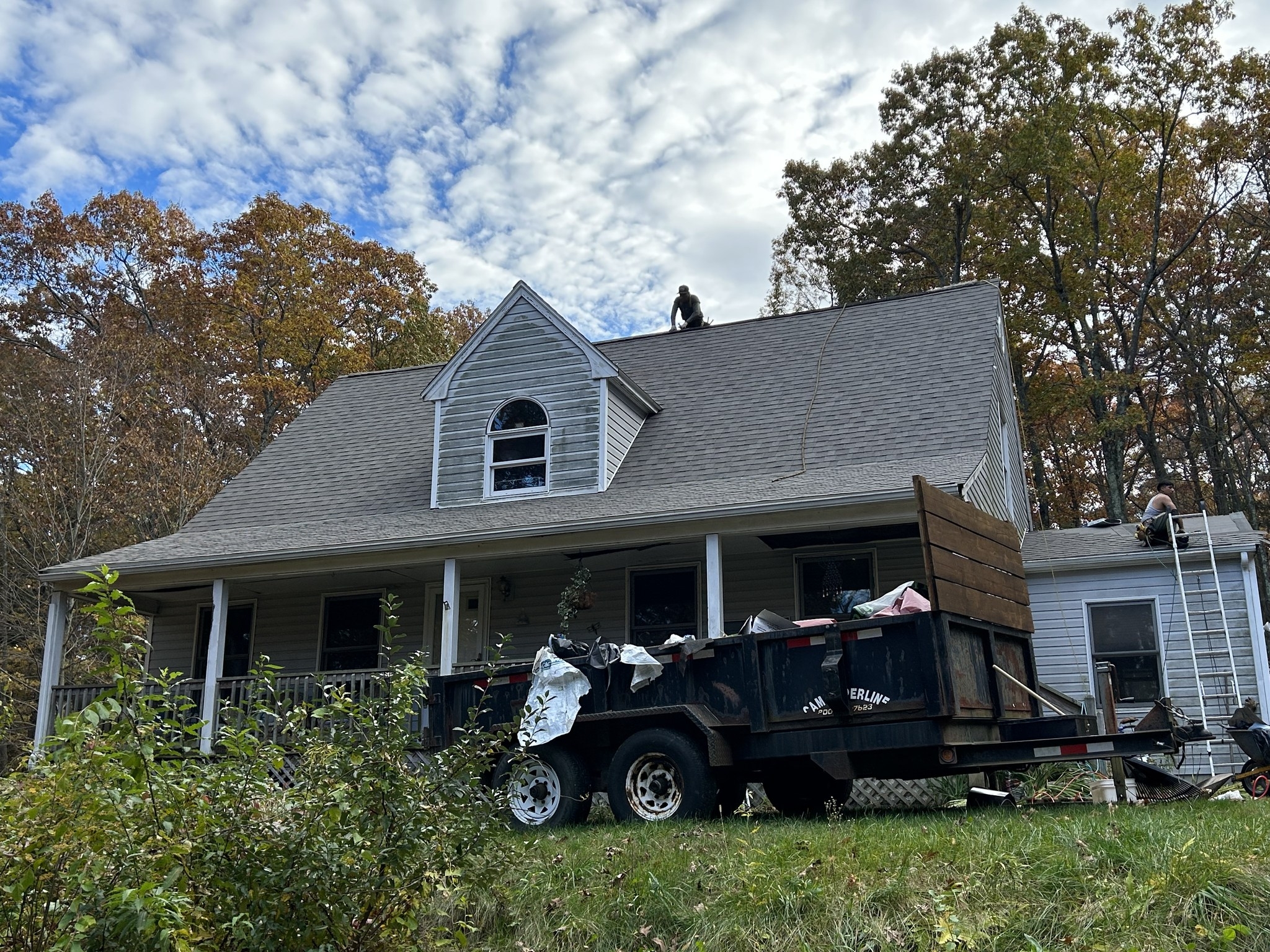
The Science Behind Roof Algae: Causes, Prevention, and Treatments Jun 09, 2026
Roof algae, primarily known as Gloeocapsa magma, thrives in humid climates and appears as black streaks or unsightly discoloration on roofing materials. This single-celled blue-green organism feeds on moisture and airborne particles, especially calcium carbonate used in many shingles. Though it might seem benign, untreated roof algae can expedite the decay of roofing materials, leading to costly repairs.
Algae formation on roofs can be attributed to various environmental factors. Sunlight, shade, and moisture levels all play a role in creating ideal conditions for algae growth. Shaded areas, in particular, provide a moist environment where algae can flourish without the drying effects of the sun. Furthermore, geographic regions that experience high humidity and frequent rainfall are particularly susceptible to roof algae. Understanding these elements is crucial in developing effective prevention strategies.
Preventing roof algae infestation starts with regular maintenance. Keep your roof and gutters clean and free of debris. Trim back any overhanging tree limbs that could provide shade and restrict airflow, as these can create a conducive microclimate for algae growth. Investing in algae-resistant shingles is another powerful preventive measure. These shingles are treated with copper or zinc granules, which naturally repel algae growth.
Additionally, installing zinc or copper strips at the roof's peak can help. When it rains, small amounts of zinc or copper washing down the roof can inhibit algae growth. Regular inspections and cleaning schedules are invaluable in spotting early signs of algae and addressing them before they worsen.
If your roof is already suffering from algae infestation, there are several effective treatment options available. Soft washing is a gentle cleaning method that uses specialized solutions designed to safely and effectively remove algae, mold, and other debris without damaging your roof. This is preferable to pressure washing, which can strip away protective granules from shingles.
Chemical treatments, such as those containing sodium hypochlorite or copper sulfate, can be effective in killing existing algae. However, these treatments must be applied with caution to prevent potential damage to the landscape surrounding your home. Professional roofing services like those offered by Lind Construction have the expertise to apply these treatments safely and efficiently, ensuring optimal results without further complications.
Choosing the right solution for your roof's specific needs requires a careful balance of prevention and treatment. Engaging with a roofing expert ensures that your roof not only looks aesthetically pleasing but remains structurally sound against the challenges algae can pose.
In conclusion, while roof algae might seem like a mere cosmetic nuisance, it’s essential to understand the underlying causes and embrace proactive measures. At Lind Construction, our goal is to assist homeowners in addressing any roofing concerns with informed, effective practices. By understanding how to prevent and treat roof algae, you can keep your home safe and beautiful. Contact us today to learn more about our roofing services and how we can help you maintain a healthy roof.
/filters:no_upscale()/filters:format(webp)/media/c9c3d94e-e0c8-48e7-86ed-cea85d023bad.jpg)