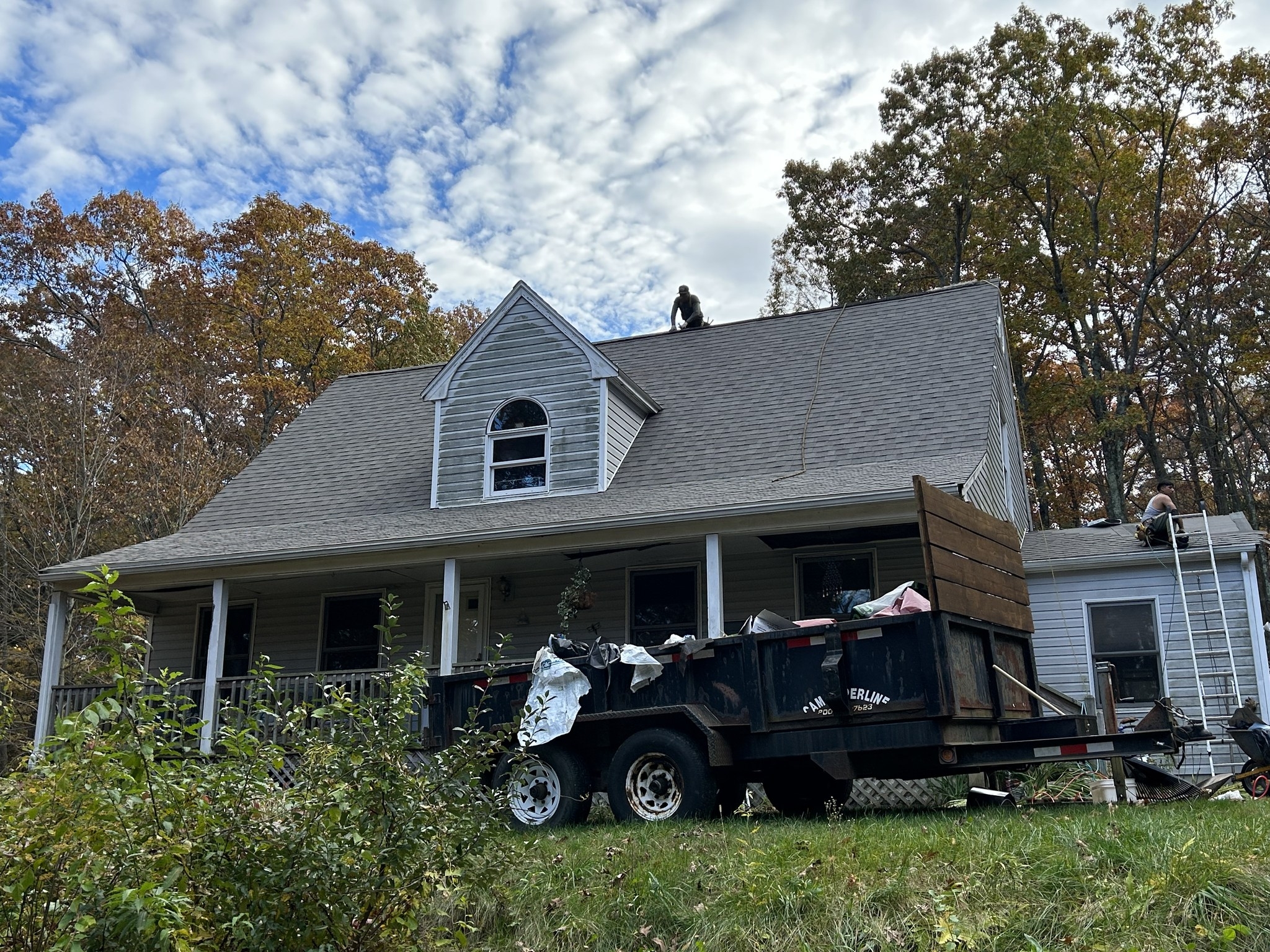
Navigating Roof Underlayment Options: Enhancing Protection and Performance Apr 14, 2026
Roof underlayment is the protective layer installed between the roof deck and the roof covering (such as shingles or tiles). Its primary function is to provide a secondary weather barrier, protecting your home from leaks and moisture damage. With various underlayment options available, each offering different levels of protection and performance, choosing the right one for your needs can seem daunting.
Traditionally, asphalt-saturated felt has been a popular choice for roof underlayment. It's known for its water resistance and durability, making it a reliable option for many homeowners. However, it does have some limitations. Over time, felt may tear or degrade, especially when exposed to extreme weather conditions. For those who appreciate time-tested materials, it's an affordable and accessible choice, but it’s important to consider its resilience against your local climate conditions.
On the other hand, synthetic underlayment is an innovative solution offering superior strength and protection. Made from polypropylene or polyethylene, synthetic underlayment is more resistant to UV rays, tearing, and other environmental factors compared to traditional felt. It's also lighter and easier to install, which can save on labor costs. As more homeowners look for long-term solutions, synthetic options have rapidly gained popularity for their enhanced durability. This makes them ideal for regions with harsh weather conditions or for those homeowners looking to invest in the longevity of their roofing system.
Rubberized asphalt is another notable option. Known for its self-sealing properties, it provides a robust barrier against water infiltration. This type of underlayment is especially beneficial in areas prone to ice dams, heavy rain, or snow. It adheres well to the roof deck, creating a tight seal around nails and other penetrations, thus reducing the risk of leaks. Rubberized asphalt underlayments can be more expensive, but their high performance in extreme conditions often justifies the extra cost.
The choice of underlayment can also be influenced by the type of roof cover you plan to use. For example, metal roofs pair well with synthetics due to the potential for high temperatures that could degrade felt over time. Tile roofs, meanwhile, might benefit from the robustness of rubberized asphalt.
As you can see, selecting the right roof underlayment requires an evaluation of your environmental conditions, budget, and roofing materials. At Lind Construction, we believe informed choices lead to the best results. Our team is ready to consult with you on the best underlayment for your roof, ensuring that your home receives the protection it deserves.
In conclusion, roof underlayment may not be visible, but its role in preserving your roof's integrity is invaluable. Whether you choose traditional felt, synthetic, or rubberized asphalt, understanding the benefits and limitations of each option will lead to better performance and peace of mind. As you plan your roofing project, consider the expertise at Lind Construction, where we prioritize your home's protection, helping you navigate the complexities of roofing with ease and confidence.
/filters:no_upscale()/filters:format(webp)/media/c9c3d94e-e0c8-48e7-86ed-cea85d023bad.jpg)